


Strategic failure is rarely about execution.
Most strategy fails not because the execution was poor, but because the problem being solved was never the right one. Stakeholders define success differently. Assumptions about what the organisation actually needs to solve go untested. The question of what is core gets deferred while the work begins.
The cost is rarely in the analysis. It is in the diagnosis that has not been done.


Diagnosis is the discipline most strategy work skips.
Bold ambitions depend on rigorous diagnosis of the problem worth solving - and that rigour is rarely applied to the question that comes before the options.
What is the problem actually worth solving? What does success look like to the stakeholders whose support matters? What evidence would settle the disagreement that political negotiation has been concealing?
These are the questions that determine whether resources are committed to a coherent strategy, or spread thinly across legitimate priorities that do not add up to one. They are also the questions that get bypassed in the stampede to execution.
This is where decision architecture starts. The discipline is rigorous, but the conviction underneath it is simple: visions worth pursuing deserve the diagnostic work that lets them be pursued.
We do that work.
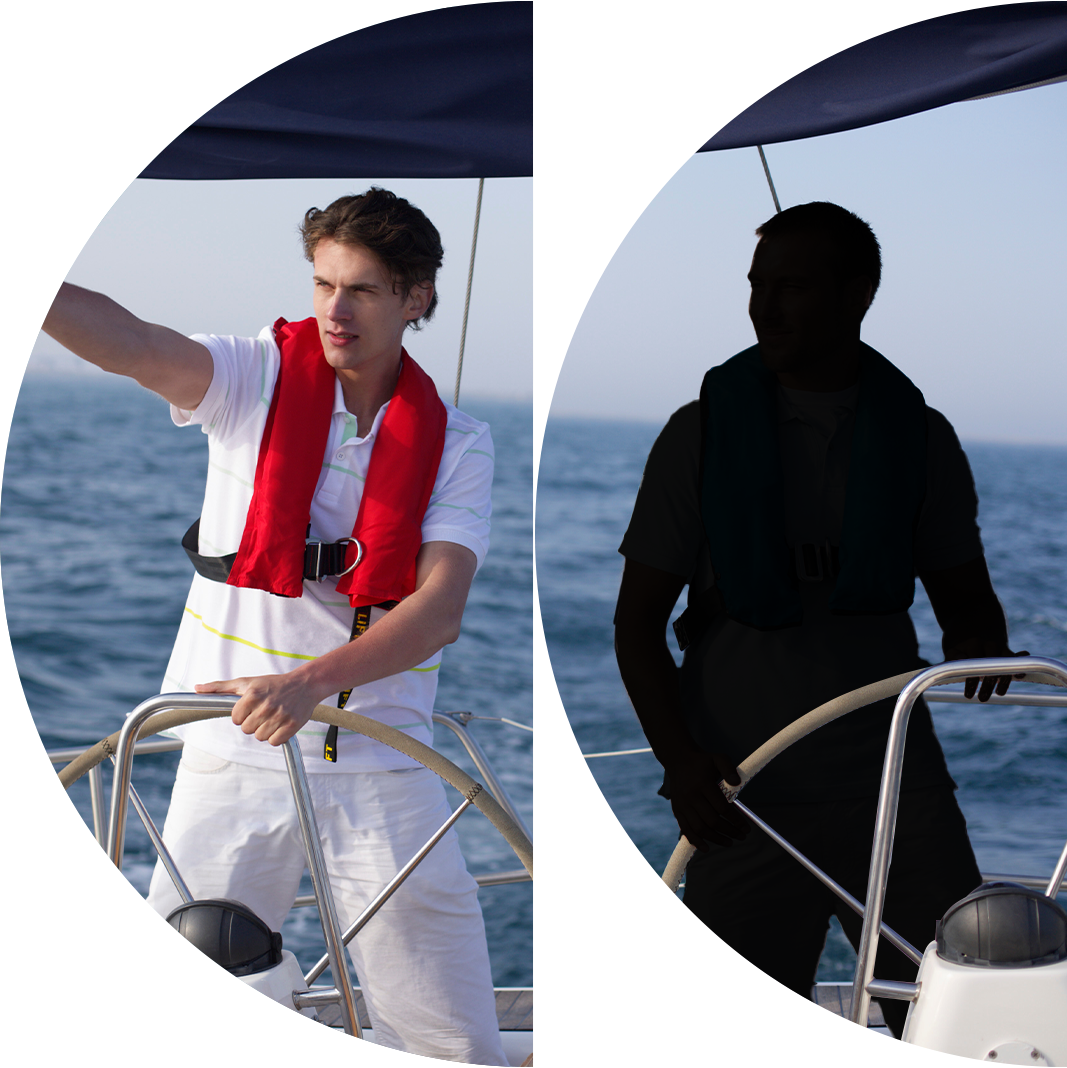
Do you have responsibility for strategy or transformation but no team to help? Perhaps you're building capability but need to start running now - we can jump into the cockpit with you.
This is a paragraph. Writing in paragraphs lets visitors find what they are looking for quickly and easily.
How we engage.
The work takes one of two shapes. Projects are bounded engagements - diagnostic, strategic, planning, or transition - structured around a specific decision or set of decisions where the cost of getting the question wrong is high. Advice is an ongoing partnership - access to a senior thought partner for the smaller decisions and the regular cadence of board preparation that benefits from independent rigour.
Projects
Each project starts with a diagnosis: what is the problem worth solving, and what does success actually look like? The work that follows depends on the answer. Sometimes the diagnosis itself is the engagement; sometimes it leads into strategy development, planning the path from strategy to commitment, or supporting transition where execution has begun and the discipline needs to be preserved.
We agree the scope and the value drivers up front, so the engagement is structured around the outcomes that matter rather than presumptively around activity that may need to change.
Strategy

Strategy is not a recommendation or a plan. It is the coherent set of choices that emerges from a diagnosis you can defend - to your board, your stakeholders, and yourself.
We diagnose the current state and the aspiration, surface the obstacles that prevent commitment, and identify the trade-offs that have not yet been openly named. The vision is refined until it is something executable. The evidence is built until it is something defensible. The strategy that emerges holds together as one logic - choices that test and exploit the strengths and opportunities while addressing the threats that matter, with the case that turns the stakeholders whose support matters into allies of the change.
The result is a strategy your board can agree without deferral, and a leadership team aligned around what success will mean before resources are committed.
Planning

A clear strategy still has to become a path. We work alongside your team to architect the pathway from strategy to commitment - testing the assumptions that matter, surfacing the trade-offs that have not yet been named, and building the evidence base that lets the board commit without deferral.
The plan that emerges is the consequence of the strategic decisions, not a substitute for them. Initiatives are sequenced around what makes the strategy hold together. Resources are allocated to what matters, which often means choosing what does not. Capability decisions are made openly rather than deferred. Accountabilities are agreed before delivery begins.
The outcome is a plan the leadership team can stand behind because the underlying strategic decisions have been made and defended, rather than left for delivery to discover.
Transition

Execution begins with focus and drifts under operational pressure. We help you tell the difference between adapting tactics and abandoning strategy, and we keep the diagnostic discipline alive in the room so the conviction that earned the original commitment is preserved as the conditions change.
The work is not program management - it is the senior thought partnership that holds the strategic decisions in view while delivery proceeds. We surface the questions that emerge during execution, help recalibrate where the conditions warrant it, and distinguish between the operational pressures that should be absorbed and the ones that should be addressed.
The result is strategic continuity - not because the plan was perfect at the outset, but because the discipline that produced the plan is still alive when the conditions change.

Stakeholders surveys
> Customers
> Market
> Employees
> Partners
Diagnosis depends on evidence, and the evidence that matters is rarely the evidence that has already been collected. Most strategy is committed to on the basis of broad assumptions about what stakeholders want, drawn from government statistics, dated surveys, or benchmarks that were never quite the right comparison.
Our approach to research tests those assumptions directly. We have reached more than 3,500 Australians across engagements - members, customers, employees, and partners of the organisations we work with - and the research has challenged our clients' assumptions as often as it has confirmed them. The insight is mapped back to the strategic implication, so the diagnosis answers the question that drives the decision rather than the one that is easiest to ask.
The combination of conversational AI and rigorous analysis ensures you get much higher quality in the insights, informing critical strategic decision that could make or break your vision through the choices you make. Because we are focused on your outcome, the survey delivers real findings and we provide you with recommendations, not a report to decipher.
Advice
Not every decision warrants a project. Some warrant a senior thought partner who knows your situation, prepares the case for the next board paper with you, and is available for the calls that come up between cadence points.
Polaris offers an ongoing advisory relationship for leaders who want the rigour of decision architecture as a regular discipline rather than as an occasional engagement. The relationship is sized to the rhythm of your role - typically a regular monthly cadence with the principal, the digest of trends and analysis you would not have time to assemble for yourself, and ad hoc availability for the moments where independent rigour is the difference between deferring a decision and committing to it.
Fixed fee
We agree a fixed fee with you, linked directly to the value you'll receive from our advice. The arrangement gives you certainty on the cost and a clear way to measure the return on the investment.
Regular engagement cadence
While we will agree on services to fit your requirements and budget, here’s a breakdown of what to expect.
- A monthly, quarterly, and annual service cadence helps that will give you what you need when you need it – such as preparation for regular board updates on strategy.
- A dedicated principal available for regular monthly check-ins with you and ad hoc advice for you and nominated members of your executive team.
- A regular digest of trends and analysis, contextualised for the questions live in your business and strategy.

